PROJECT FOUR (4): ‘Estimated Time of Arrival’
Performed at: Milton Court Theatre
May - June Twenty-Twenty-Six (2026)
Credits:
Production Manager/ Costume: Keira Thompson Taitt
Stage Manager/ Deputy Stage Manager: Christine Zak
Director: Praise Titus
Dramaturg/ Costume: Corgil Chernova
Rehearsal Assistant: Rijan Kc
Performer-Devisers/ Costume: Nalan Asya Asenova | Tara Choudhary | Hal Munger | Elif Özkara | Callum Sked
Marketing: Allissa Flood
Props Designer/ Sourcing/ Making: Krystal Anderson
Scenic/ Set Designer: Saran Polchan
CAD Artist: Conor Costelloe
Lighting Designer/ Operator: Conor Costelloe
Lighting Programmer: Kati Hind
Assistant Lighting Designer/ Production Electrician: Allissa Flood
Sound Designer/ Operator/ PSE: EJ Walker
Voice Work: Conor Costelloe
Course Leads: Casimira Hayward-Peel | Emily Orley | Nazli Tabatabai-Khatambakhsh
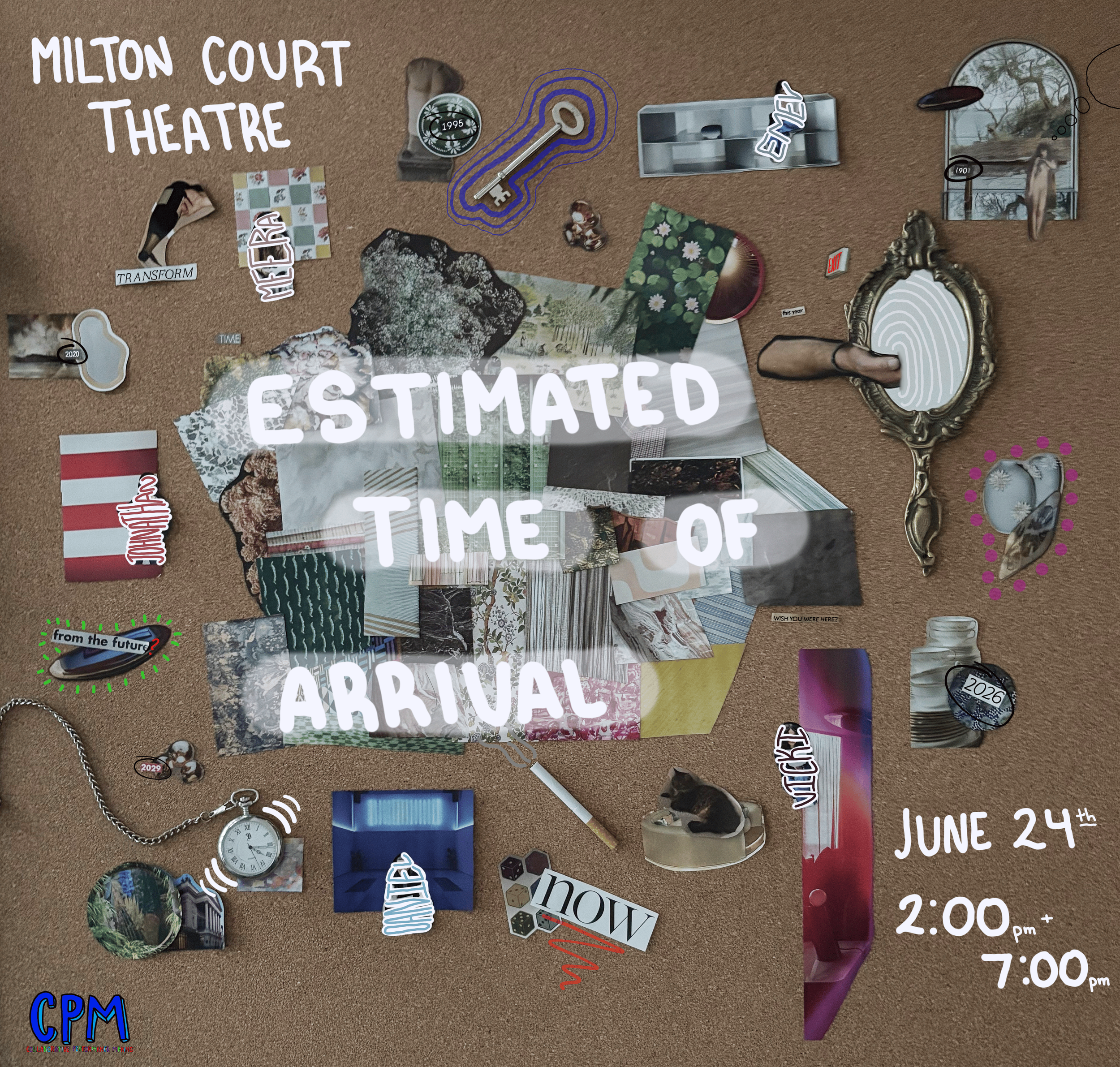
Poster Design: Allissa Flood
A song/ piece of music I associate with this project:
‘Staring at the Sun’ - Wendy & Lisa
EJ’s summary of this project:
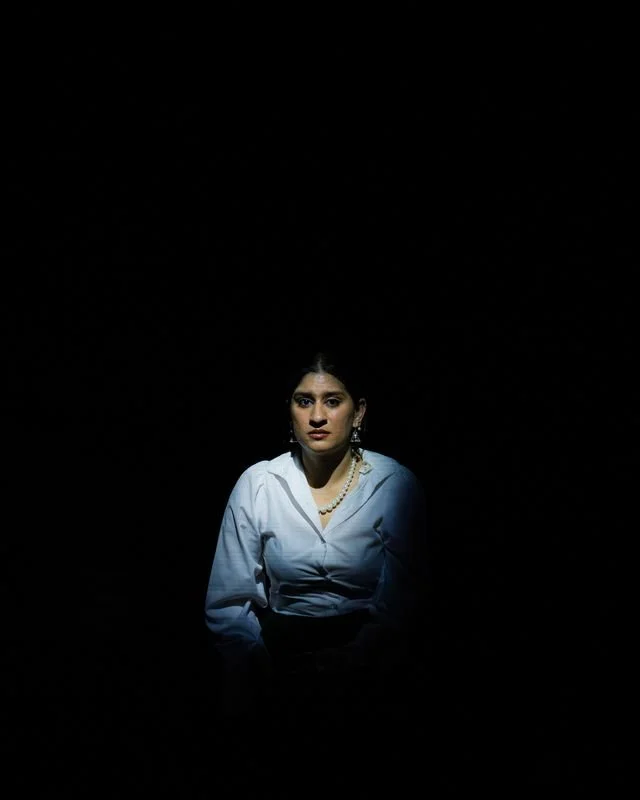
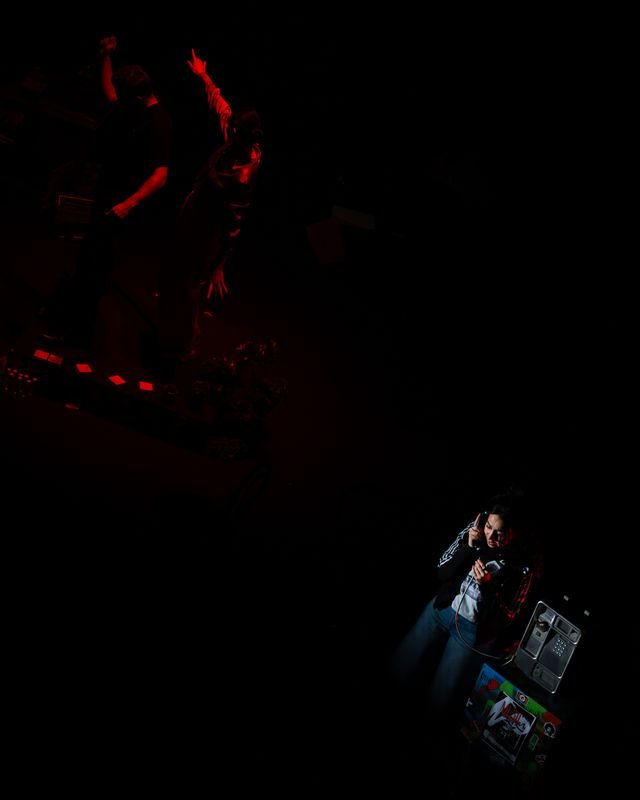
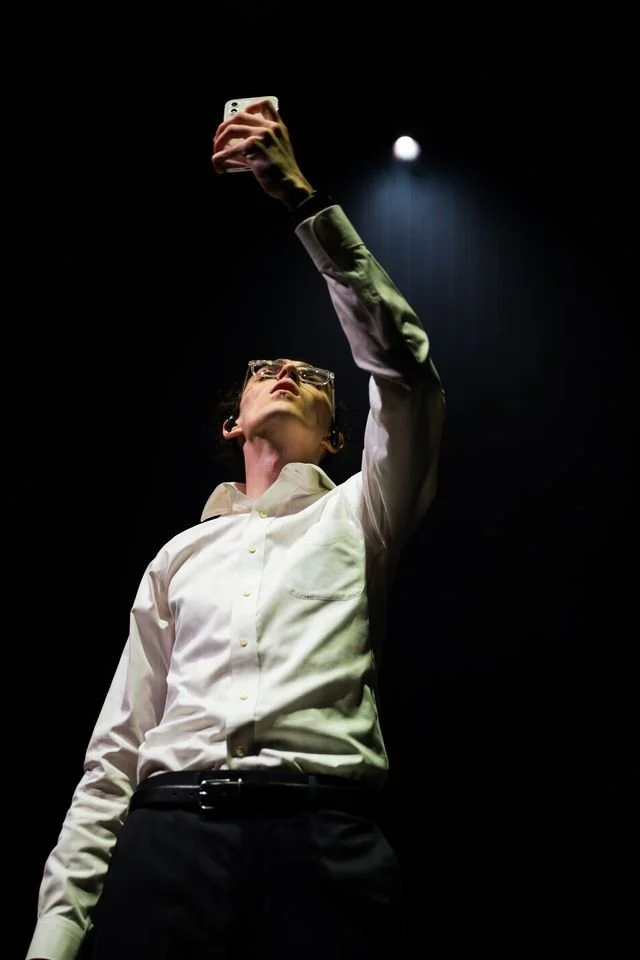
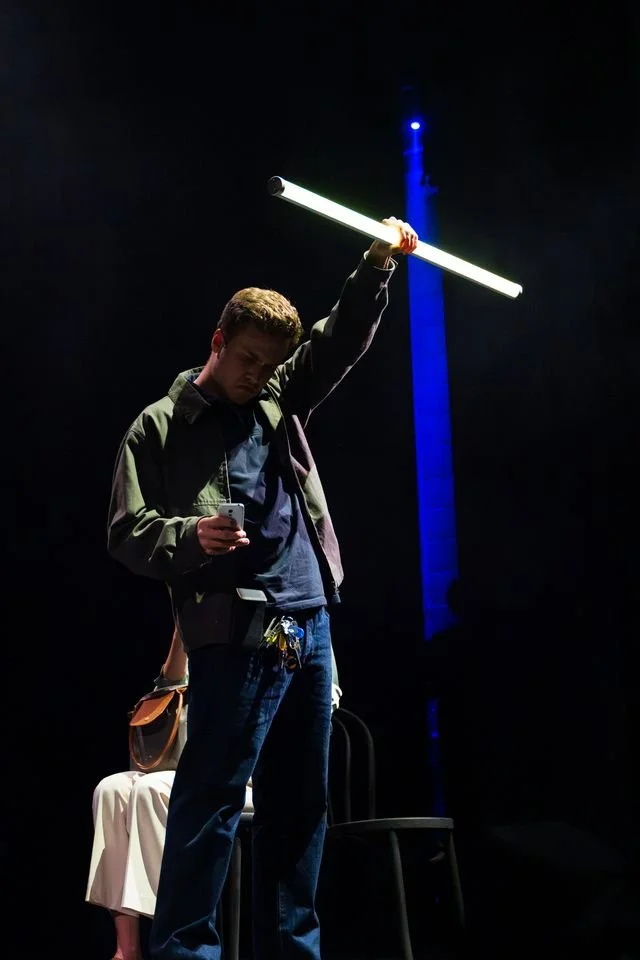
‘A forty (40) minute play with an Absurdist/ Dadaist, Womanist, Decolonial framing, whose influences include Shakespeare’s ‘The Tempest’, Cornelia Parker’s ‘Cold Dark Matter: An Exploded View’, and Ganavya’s ‘Draw Something Beautiful’. We follow five characters in crisis, all originating from London, but displaced across different time periods from 1900 to 2030. They meet on 7th March 2026 in the carriage of a delayed tube, and through discussions of gender, immigration, injustice and freedom of choice, they realise they may not be as different as they seem. Only one decision remains, and they have to make it before whatever brought them here makes it for them: do they stay on the train, or go back?’
What did EJ contribute to this project?
Roles: Sound Designer, Sound Operator, PSE
Once again, we were employing a very different organisational process to our previous projects, which meant that those of us whose sole focuses were now on design were designing alongside and adapting to the performer-devisers and director. As such, you’ll probably see quite a bit of shifting in my design ideas, as ideas get discarded and added.
It’s also worth noting that we had quite an extensive brief, including themes of the City of London, Feminism and Womanism, and decolonialism.
Development
Initial design ideas board:
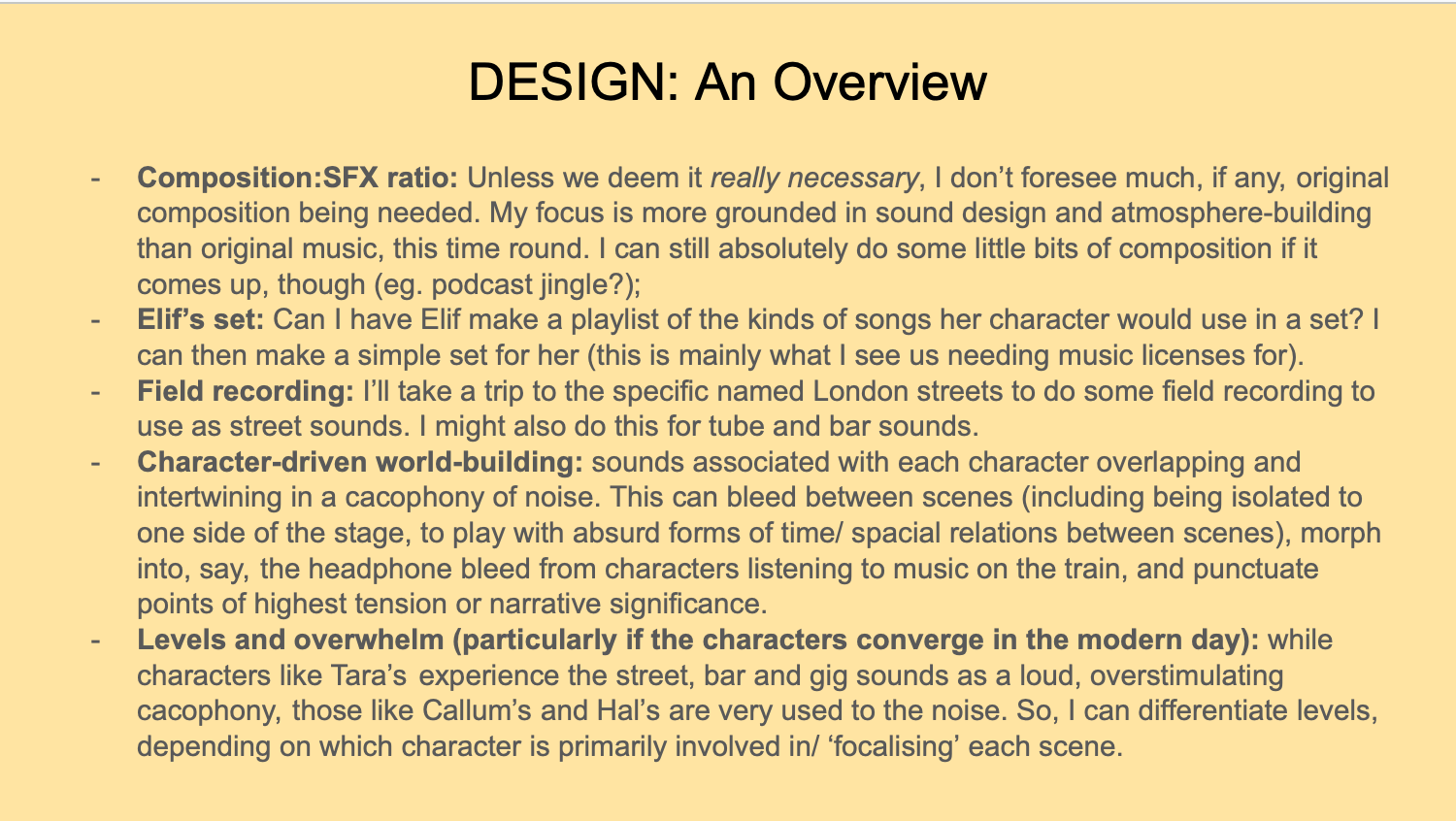
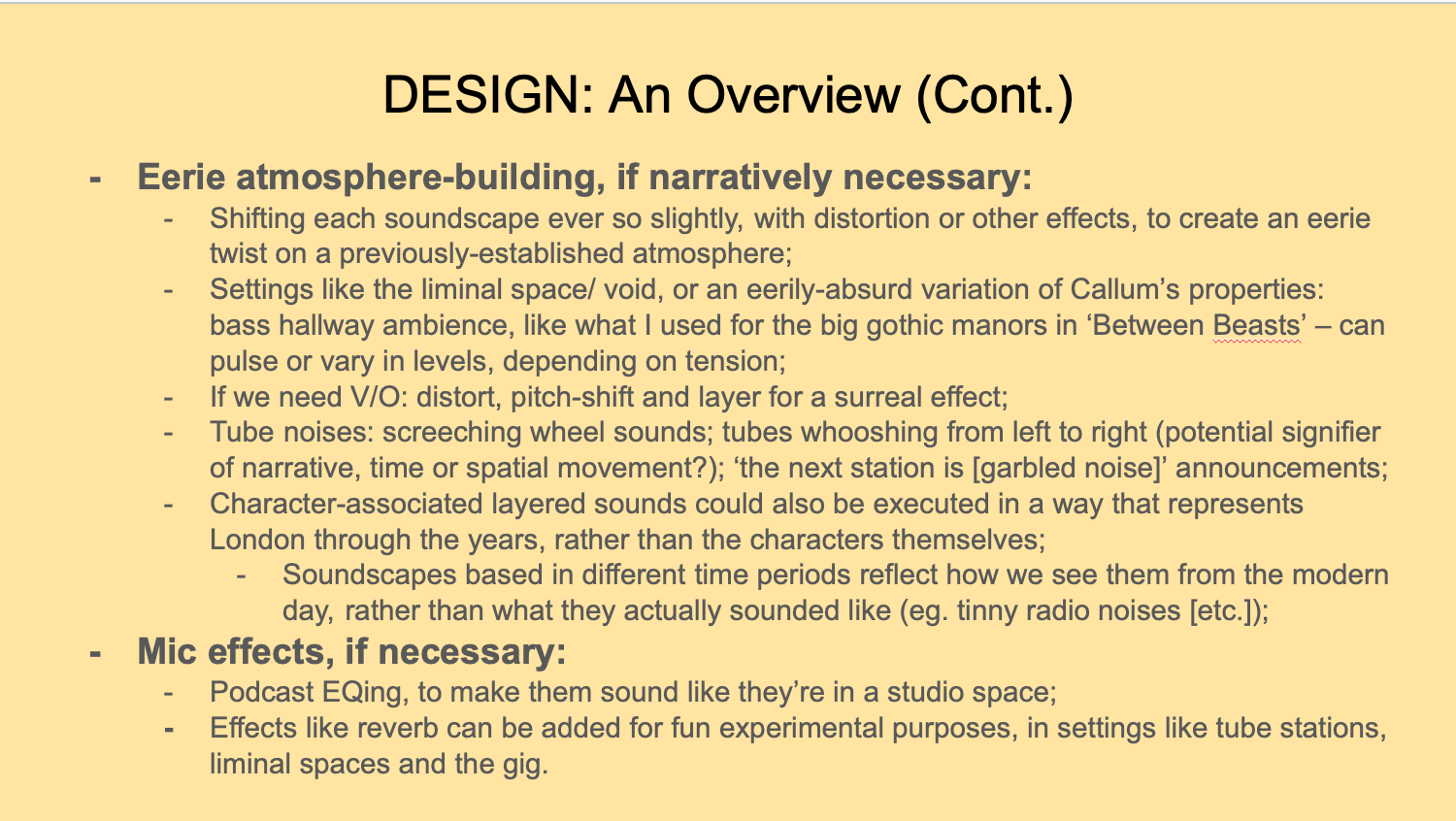
A lot of this ended up changing! We didn’t use mics due to the acoustics of the space, and settings like the podcast were discarded as the devising process continued.
Example notes from rehearsal:
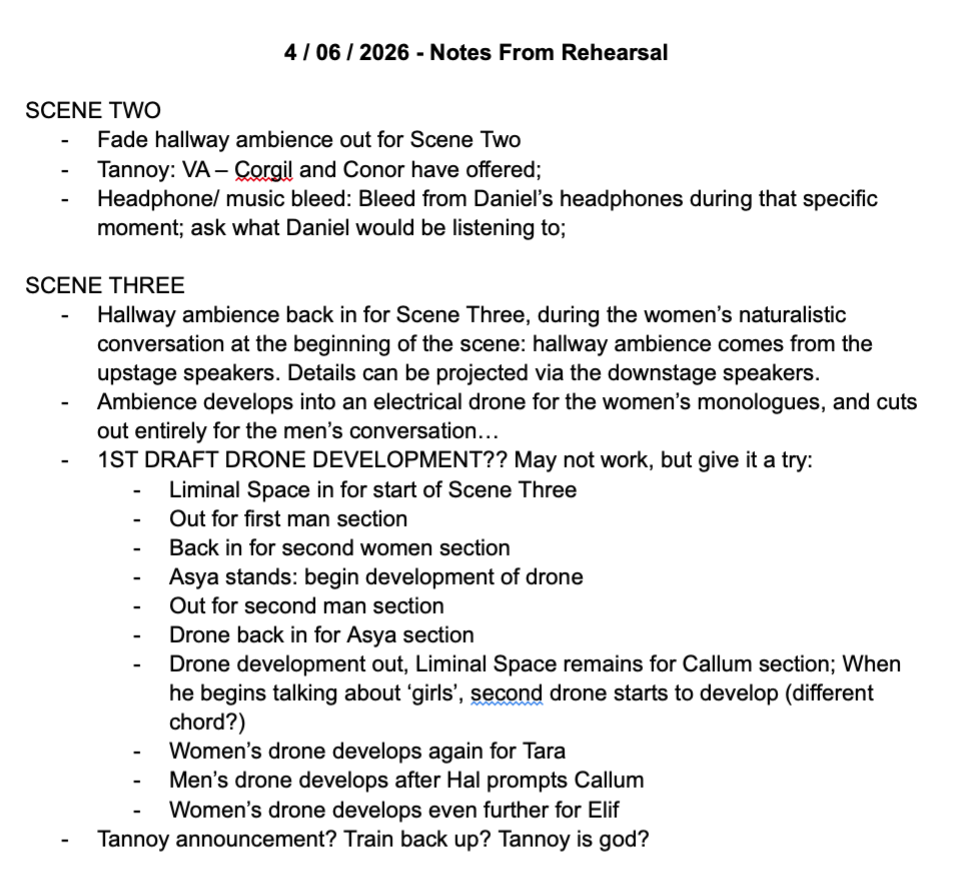
We were dealing a lot with binary concepts of gender and how far the construct extends. So, while particularly the notes from Scene Three are inaccurate to the final piece, as the structure changed immensely, the concept of using sound to accentuate the divide remained.
I also ended up doing the slightest bit of voice directing for the tannoy announcements, performed most generously by Conor, who was very good at acting completely uninterested by everything!
Draft speaker plan and patch:
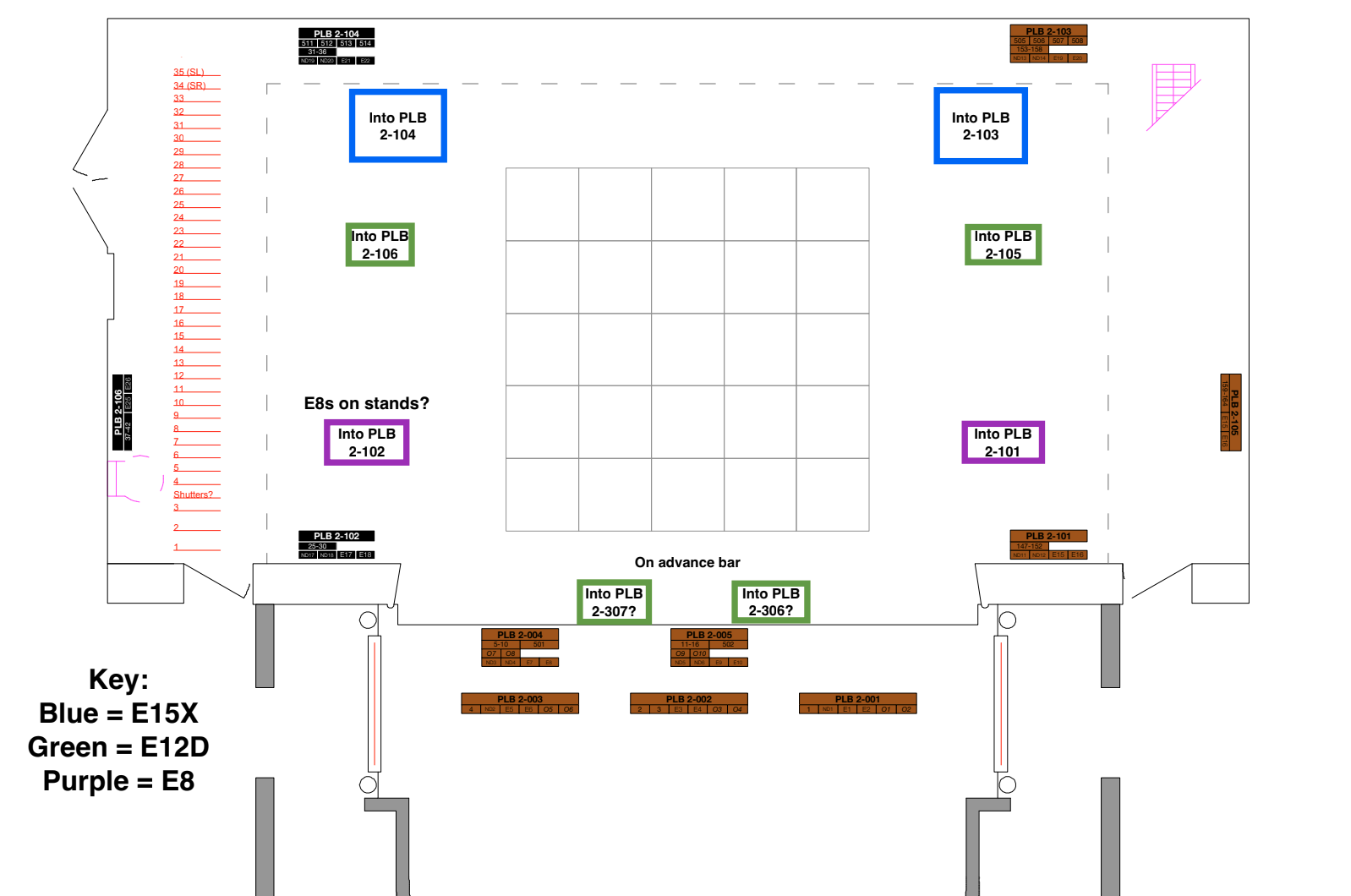
Once we got into the space for tech, this also ended up changing massively! I brought the E15X and E12D PA pairs forward into the CS wings, the E8s on stands moved into the seating bank wings to each side of the stage, and the advance bar E12Ds turned into E8s rigged on the highest balcony, in the wings. This was to account for the draping the set designer ended up putting upstage and the limitations of and changes to the venue spec during the festival season happening alongside us at that point in the year. while the imaging I had set up with my speakers (especially the upstage subs) did change as a result, I’m still happy with the outcome.
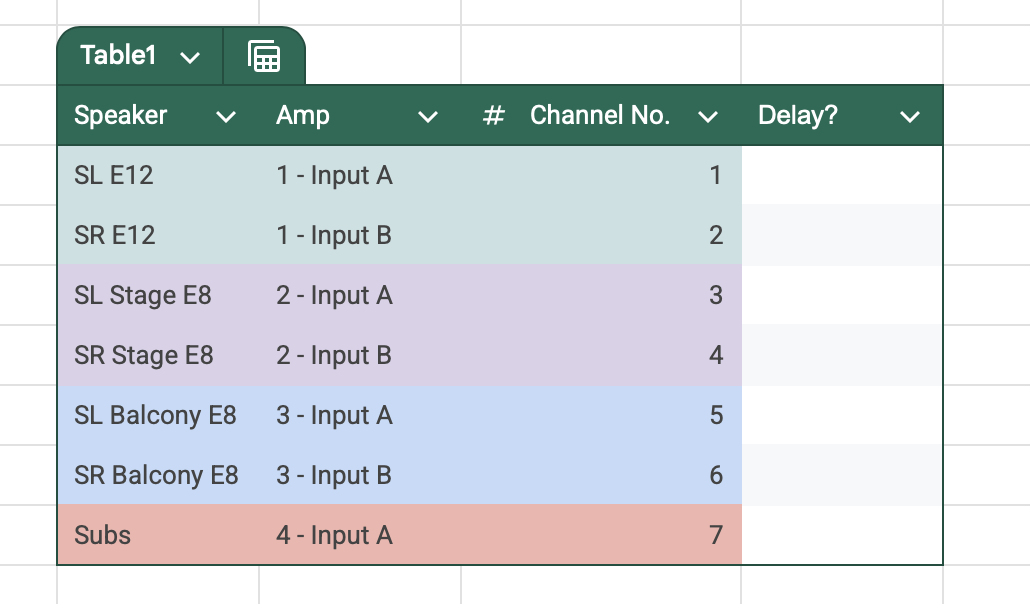
Here is the patch I used, accurate to the final speaker plan. These were ultimately patched in analogue, though I did at one point learn how to patch digitally, through their Yamaha Rios. We decided against this, as we were already using OSC to conjoin lightning and sound, and did not want to worry about potential interference, or any other digital failings. There was a world in which I would be using balcony-level speaker systems, and would be fiddling with delay, but we ultimately did not do so.
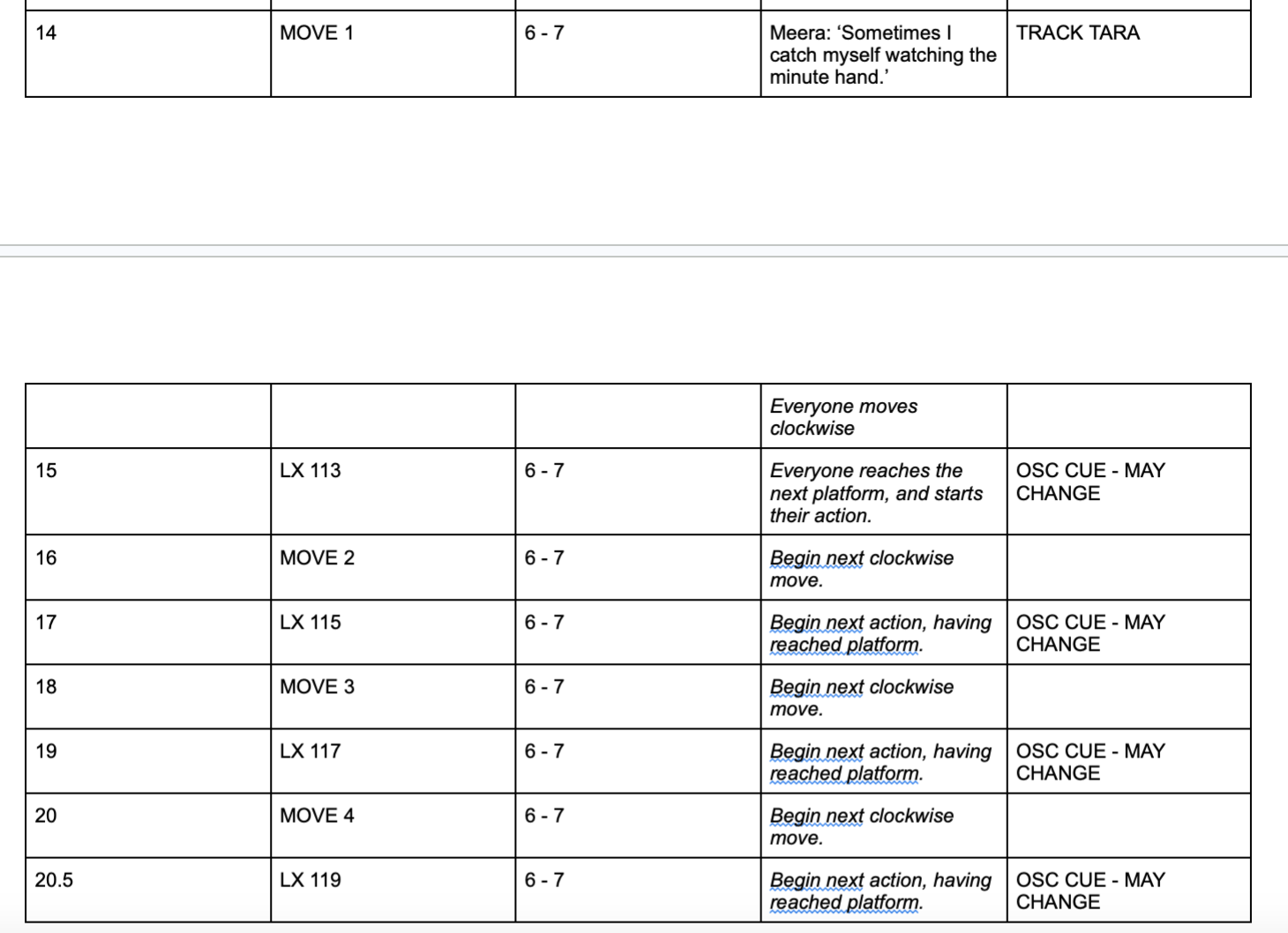
Cue sheet (the columns are configured in a very similar/ the same way as my previous cue sheets):
Here is a sample from my sound cue sheet, for a specific movement sequence. As you can see, this details how OSC cues worked for us (I fired them through QLab), and my explanations for our DSM.
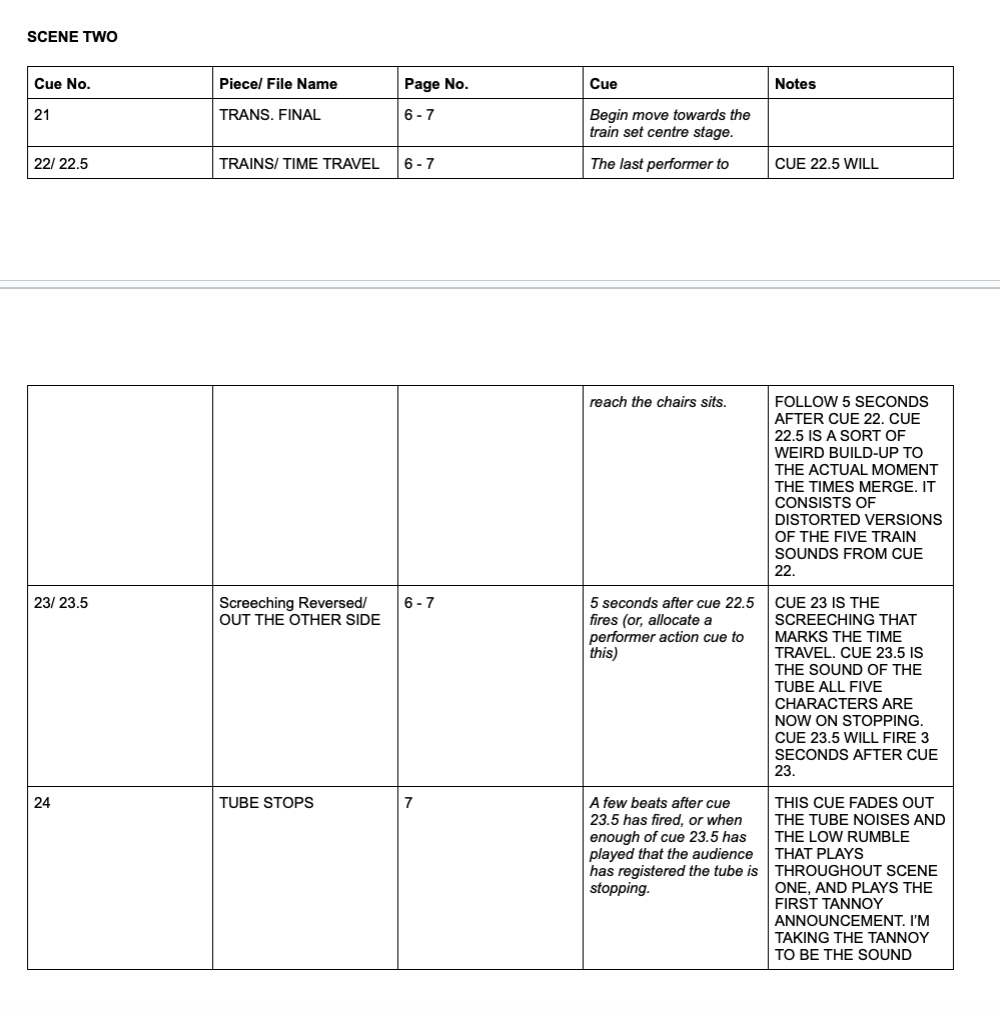
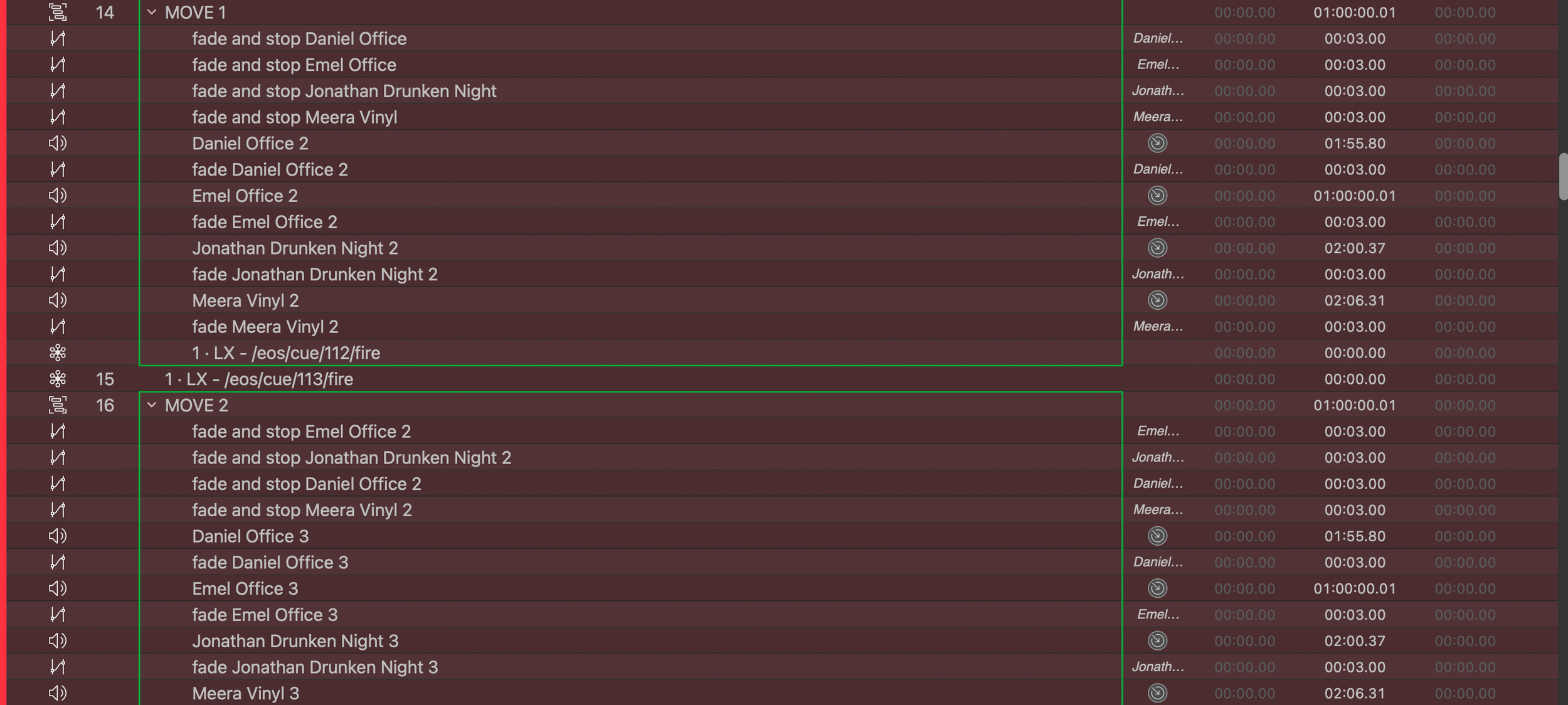
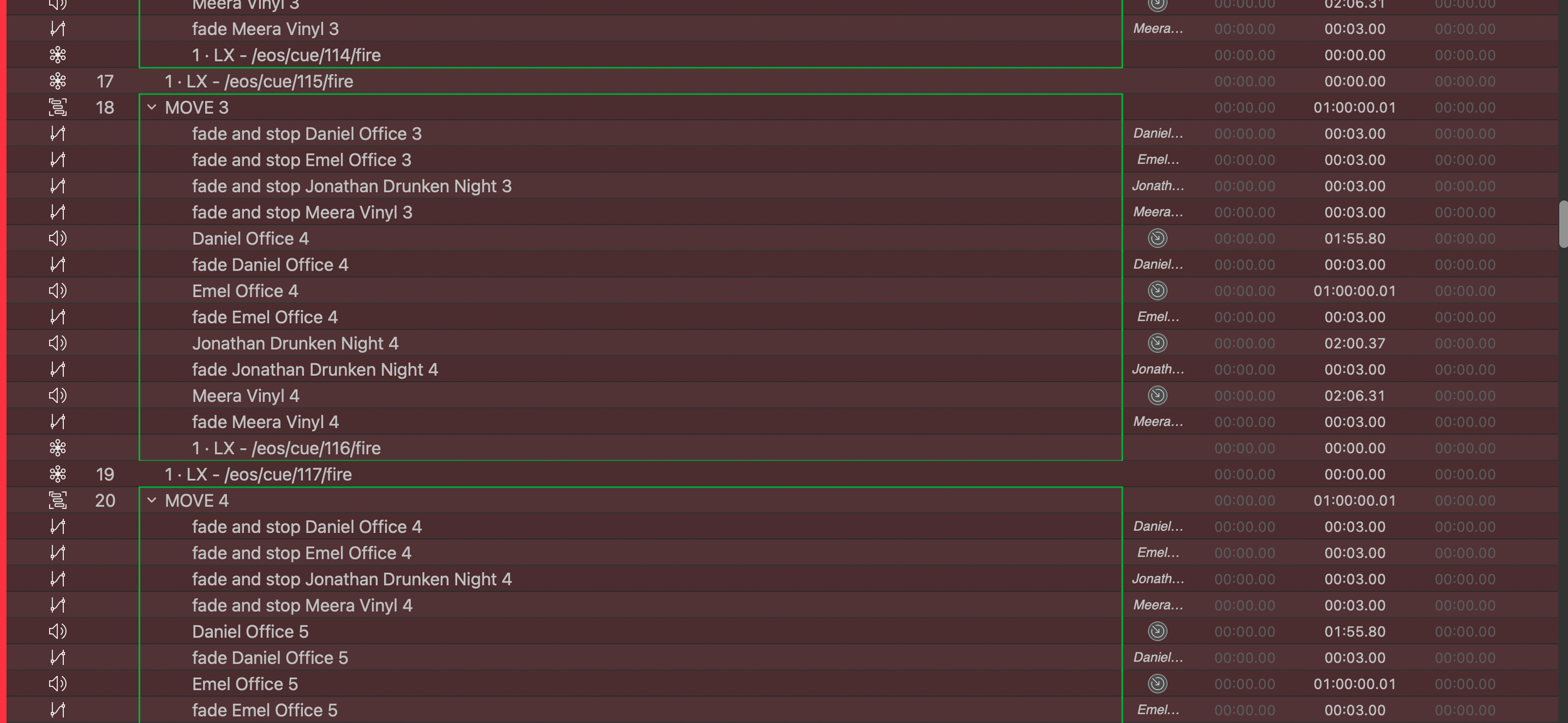
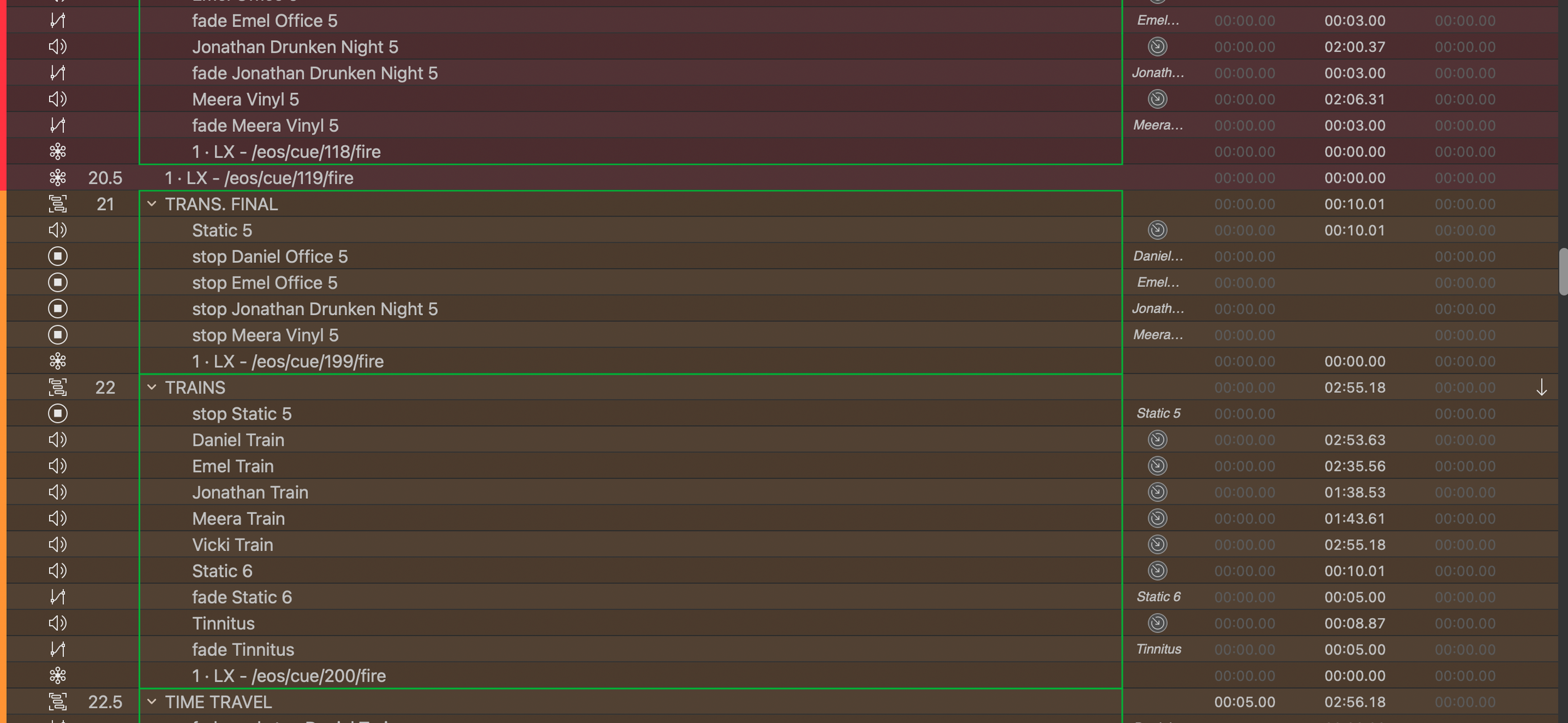
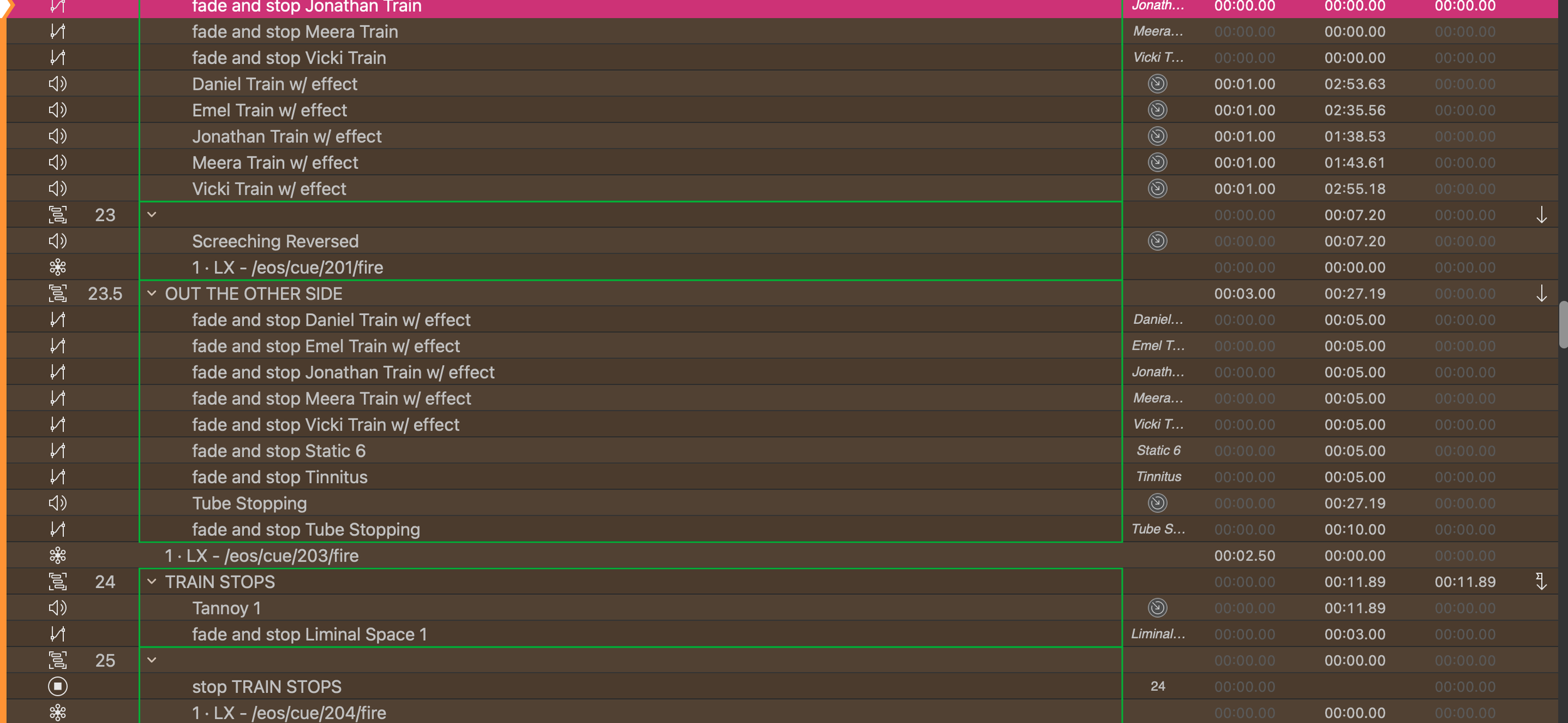
…And, here’s how this same sequence looked in QLab:
The Final Product
Here are a couple of examples of the manners in which I mixed or otherwise played around with pre-existing sounds/ music to create differing tones, moods and images:
AUDIO SAMPLES
PHOTO GALLERY
Photo Credits: Allissa Flood and Luke Bryant